Blood Pressure & Stroke: What You Need to Know
Our heart acts as the body’s pump. Like every pump, it needs a force to move the blood around the body. Blood pressure is the force of blood pushing against the walls of your arteries each time your heart pumps, think of water rushing through a water pipe. High blood pressure, also known as hypertension, means that the pressure of the blood flowing through your blood vessels is consistently too high.
When you are having your blood pressure measured, there are two readings:
- Systolic: This is your blood pressure when the heart squeezes, or contracts, to pump blood around your body.
- Diastolic: This is your blood pressure when your heart relaxes between contractions.
The optimal level of blood pressure is less than 120 (systolic) over 70 (diastolic). For most people, hypertension is 140/90 mmHg or more. However, for people who have already had a stroke or have other conditions like heart disease, diabetes or kidney disease, your GP would advise you to keep these number lower.
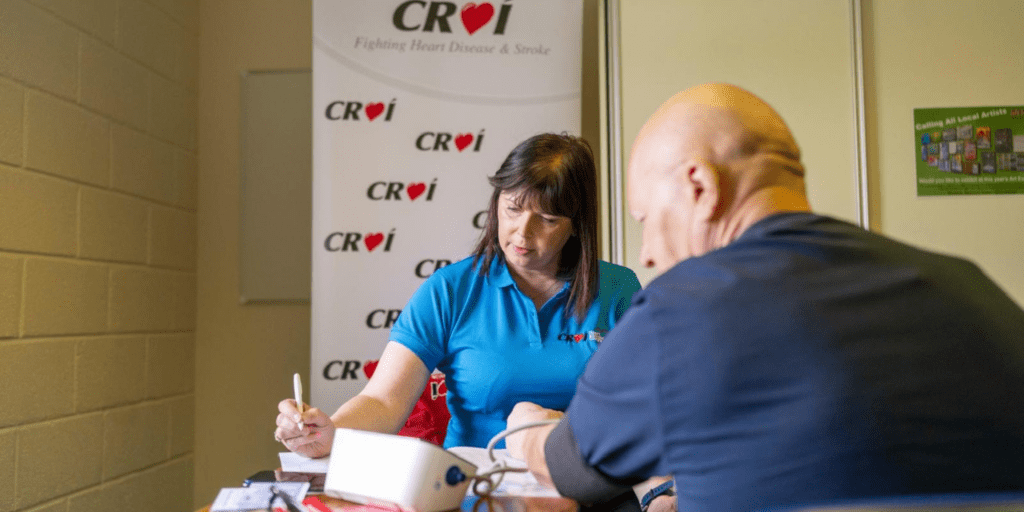
Hypertension often comes with no symptoms, so the only way to make sure your blood pressure is right is by knowing your numbers and getting regular checks. You can click here to learn more about how to take and interpret your readings at home. On this page you can find Croí’s short list of recommended blood pressure monitors.
Over time, hypertension can have harmful effects on your body, including damage to the blood vessels. If left untreated, it can increase the risk of both ischaemic stroke (caused by a clot blocking an artery in the brain) and haemorrhagic stroke (caused by a burst blood vessel, leading to bleeding in the brain).
In fact, hypertension is the single biggest risk factor for stroke. In Europe, it is estimated to contribute to around 60% of all stroke cases. Individuals living with hypertension have nearly three times the risk of stroke compared to those with normal blood pressure.
Just by lowering your blood pressure, you can reduce your risk of stroke by approximately 40%. The higher your blood pressure, the greater your risk of having a stroke or a heart attack, so even small reductions of 5 mmHg in your readings can make a meaningful difference to your overall risk.
Own your health! Know the lifestyle factors that affect your blood pressure
Managing hypertension is one of the most effective ways to prevent stroke and protect long-term brain health. Hypertension can often be managed effectively through lifestyle changes and, if required, appropriate medical treatment. Small, consistent changes in everyday habits can have a powerful impact on lowering blood pressure and protecting brain health. These include:
Takeaways, processed foods, and salty snacks are often very high in salt. Too much salt can gradually raise blood pressure because it causes your body to hold onto extra water. This extra fluid increases the volume of blood in your bloodstream, putting more pressure on your blood vessel walls. Over time, too much salt can also make blood vessels less flexible, making it harder for blood to flow easily.
Eating more fresh foods and reducing your salt intake will help you lower your blood pressure.
You can read Croí’s 10 Top Tips for a Healthy Diet here.
Long periods of sitting and inactivity can lead to higher blood pressure because your blood isn’t circulating as well, and your blood vessels can become stiffer over time.
Regular physical activity helps your heart pump more efficiently and keeps your blood vessels flexible and open, so blood can flow more easily. It also helps your body manage fluid and stress levels better.
Just through exercise you can lower your systolic blood pressure by around 7 mmHg, helping to protect your heart and brain.
You can read Croí’s 10 Top Tips for Increasing Your Activity Levels here.
Chronic stress and poor sleep can raise blood pressure over time. When you’re stressed or not sleeping well, your body stays in a “high-alert” mode, releasing hormones that make your heart beat faster and your blood vessels tighten. Over time, this increases pressure in your arteries. Managing stress and getting good-quality sleep help your body relax, keeping blood pressure at healthier levels and reducing stroke risk.
You can read Croí’s Top Tips for Stress Management here.
Drinking too much alcohol can raise blood pressure and damage blood vessels. Alcohol can make your heart work harder and affect how your body controls fluid levels, leading to higher pressure in your arteries. Over time, this increases the risk of stroke, particularly haemorrhagic stroke.
Smoking is linked to around 15% of stroke deaths each year. Chemicals in tobacco damage blood vessels, make them narrower, and increase the risk of clots forming. Even second-hand smoke can raise stroke risk by about 30%. The good news is that the body starts to recover quickly; within 2–4 years of quitting, the extra stroke risk is greatly reduced.
Questions or Concerns?
Contact the Croí Health Team on 091-332999 or email healthteam@croi.ie.